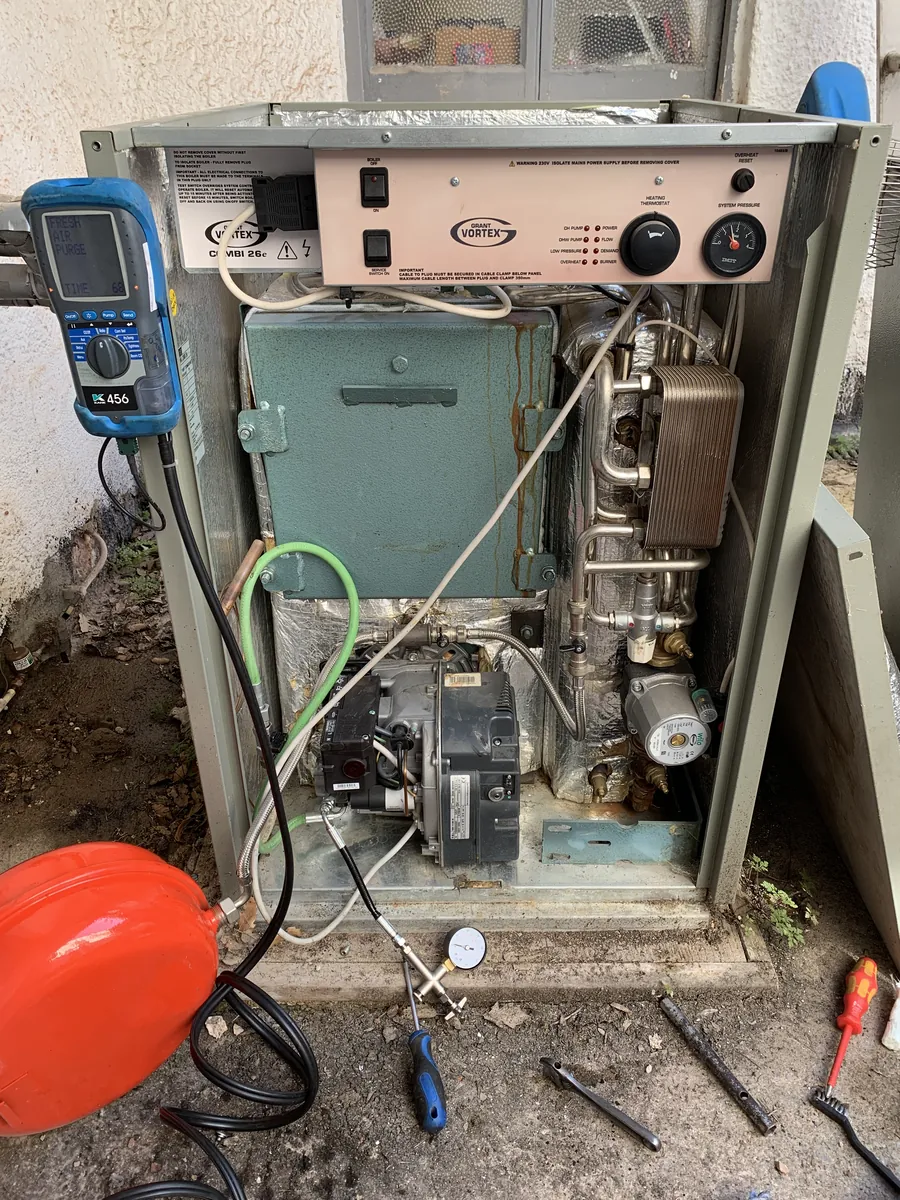
An oil boiler not firing up is not something to panic about — it is one of the most common call-outs we get across Exeter and rural Devon, especially on the first cold morning of the season. The good news is that a fair few causes are simple things you can check yourself before an engineer is needed. This guide runs through the safe checks you can make, the faults a heating engineer will look at, and — importantly — when to stop and pick up the phone.
Absolute Plumbing & Heating has been looking after homes around Exeter since 2015. Our engineer is OFTEC-trained with more than 10 years' hands-on oil experience and has been trained by Grant UK on their Vortex range, so oil boilers that won't fire up are bread-and-butter work for us.
Things you can safely check yourself
Before booking a repair, it is worth running through the checks below. Many "oil boiler won't fire up" call-outs in Exeter turn out to be one of these, and you may save yourself a visit.
1. Have you run out of oil?
It sounds obvious, but a low or empty tank is the single most common reason an oil boiler stops firing. Check the gauge or dip the tank rather than trusting a float that may have stuck. Remember that a recent delivery can stir up sludge, which can also cause a temporary fault.
2. Is the boiler on lockout?
If the burner tried to fire and failed, the boiler will "lockout" as a safety measure, usually shown by a red warning light or a reset button on the burner. Press the reset button once and wait for it to try again. If it fires and runs normally, great. If it locks out again, do not keep pressing reset — there is an underlying fault that needs an engineer (see the warning further down).
3. Check the thermostat and timer
Make sure the room thermostat is set above the current room temperature and the programmer/timer is calling for heat. It is easy for a timer to be knocked onto "off" or a thermostat to be turned down by mistake — especially after a power cut resets the clock.
4. Look for a tripped switch or fuse
Check the fused spur next to the boiler and your consumer unit (fuse board) for a tripped switch. Reset it once. If it trips again straight away, leave it off and call an engineer — that points to an electrical fault.
5. Frozen condensate pipe (condensing boilers)
On a cold Devon morning, the white plastic condensate pipe running outside can freeze and block, which stops the boiler and often shows a fault code. Gently warming the exposed pipe with a hot water bottle or a jug of warm (not boiling) water, then resetting the boiler once, will often get it going again.
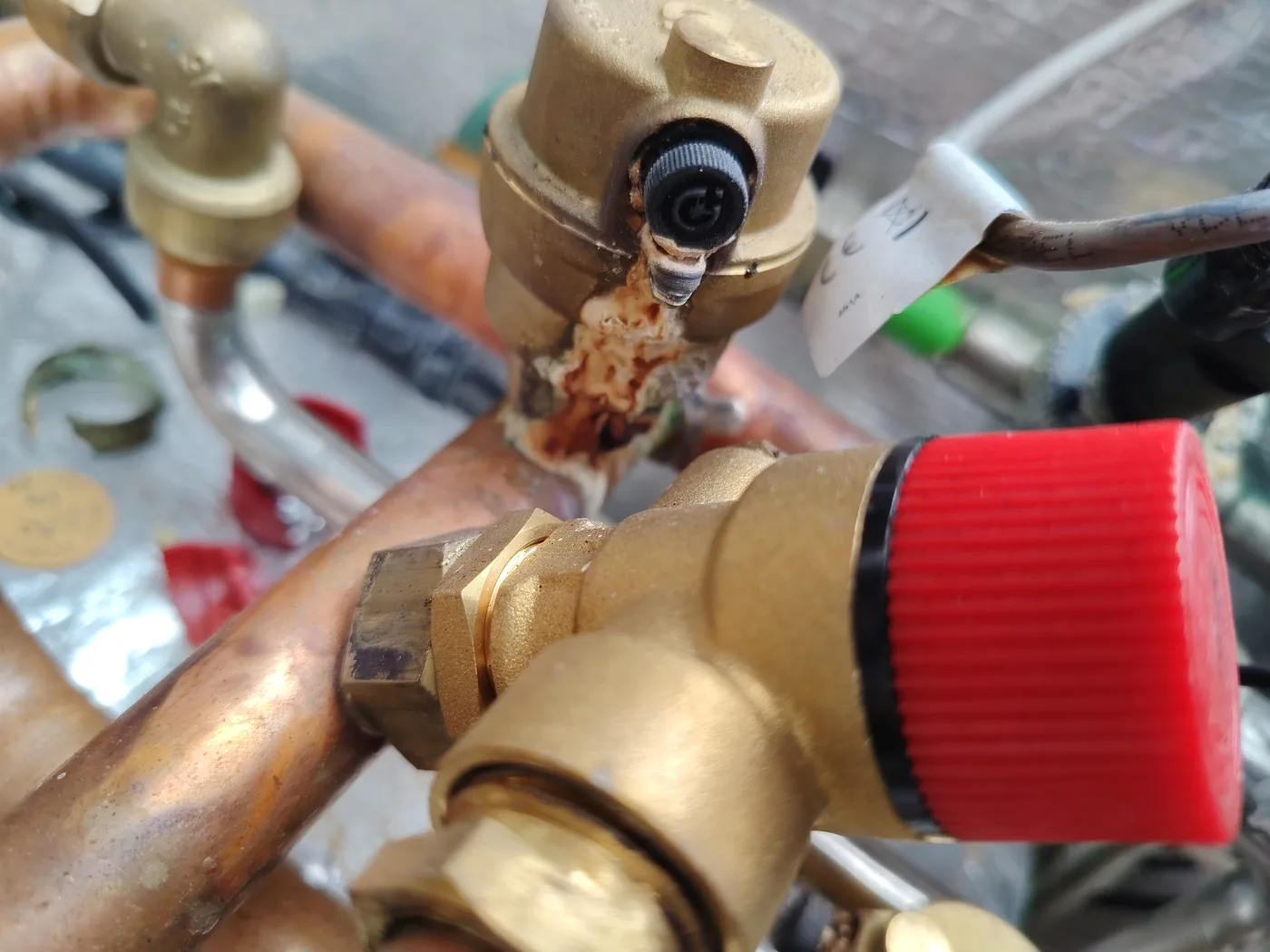
From my own jobs
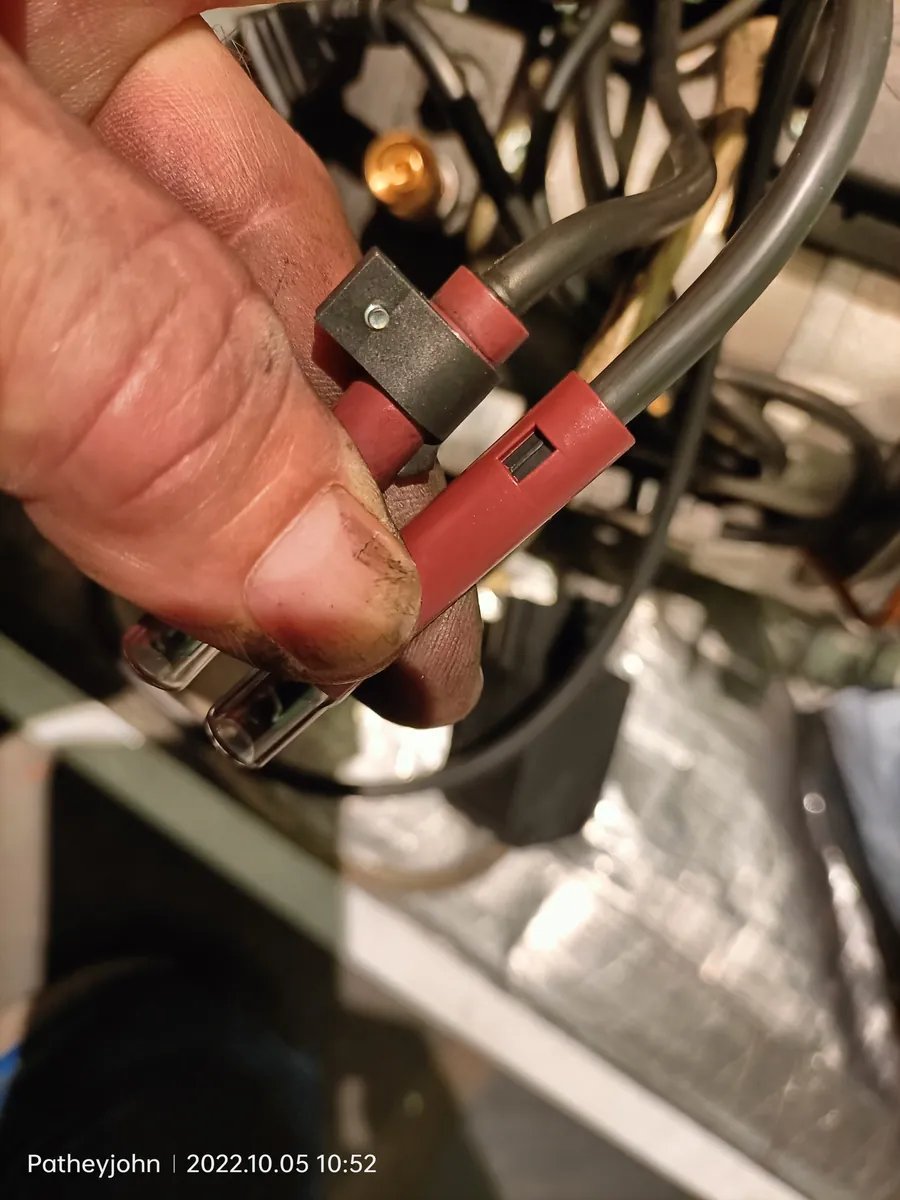
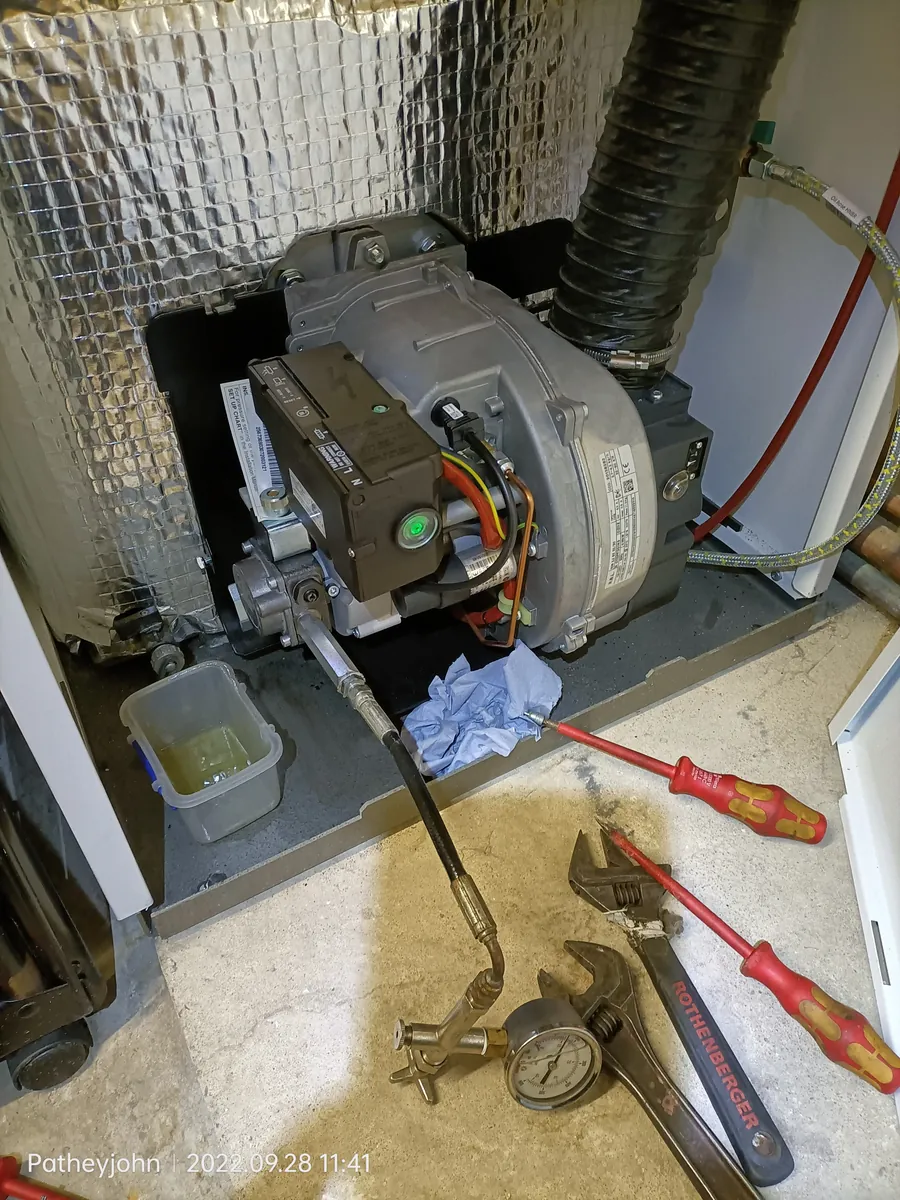
Common causes an engineer will look at
If the safe checks above have not solved it, the fault is usually inside the burner or the oil supply. These are jobs for a competent oil engineer, not a DIY fix. Here is what we typically find when we are called to an oil boiler that will not fire up:
- Dirty or worn nozzle: the nozzle atomises the oil so it can ignite. Over time it clogs or wears, giving a poor spray pattern and a boiler that either won't light or keeps locking out. It is a standard service item.
- Blocked oil filter: the filter between the tank and the boiler traps dirt and sludge. When it clogs, the burner is starved of oil and won't fire. We clean or replace the filter and check the tank for contamination.
- Failed photocell: the photocell detects the flame. If it is dirty or has failed, the control box thinks there is no flame and shuts the burner down on lockout, even when everything else is fine.
- Air in the oil line: a loose fitting, a run-dry tank or work on the supply can let air in. The burner then struggles to draw fuel and locks out. We bleed the line and trace where the air is getting in.
- Pump or motor fault: the burner pump builds the pressure that pushes oil through the nozzle. A worn pump or a seized/failing motor means no clean ignition — both are checked and pressure-tested during a repair.
- Tripped fire valve: a heat-sensitive fire valve on the oil line will shut off the supply if it gets too hot (or sometimes simply with age). If it has tripped, the boiler is starved of oil and the cause needs investigating before it is reset.

When to call an engineer
Don't keep pressing the reset button
This is the most important safety point on the page. Each time you press reset, the burner squirts more oil into the combustion chamber trying to light. If it isn't igniting, that unburnt oil pools inside and can flood the chamber — which is both a fire risk and can cause a dangerous, smoky "puff-back" when it finally lights. Press reset once. If the boiler locks out again, stop and call an engineer.
You should also call straight away if you can smell oil, see a leak around the boiler or tank, notice soot or smoke, or if an electrical switch keeps tripping. These are not jobs to keep resetting through.
A quick note on our qualifications so you know where you stand: our oil work is carried out by an engineer who is OFTEC-trained with 10+ years' oil experience and has been trained by Grant UK — please note our OFTEC registration has lapsed, so we are not currently OFTEC registered. For gas appliances we work with P Harman, a Gas Safe registered engineer.
Oil boiler won't fire up in Exeter?
If a single reset hasn't fixed it, we can help. We cover Exeter and the surrounding Devon villages with a £65 fixed call-out, and we'll diagnose why your oil boiler isn't firing and put it right wherever we can on the first visit. You can book an oil boiler engineer in Exeter or call us directly.
Call 07766 501664