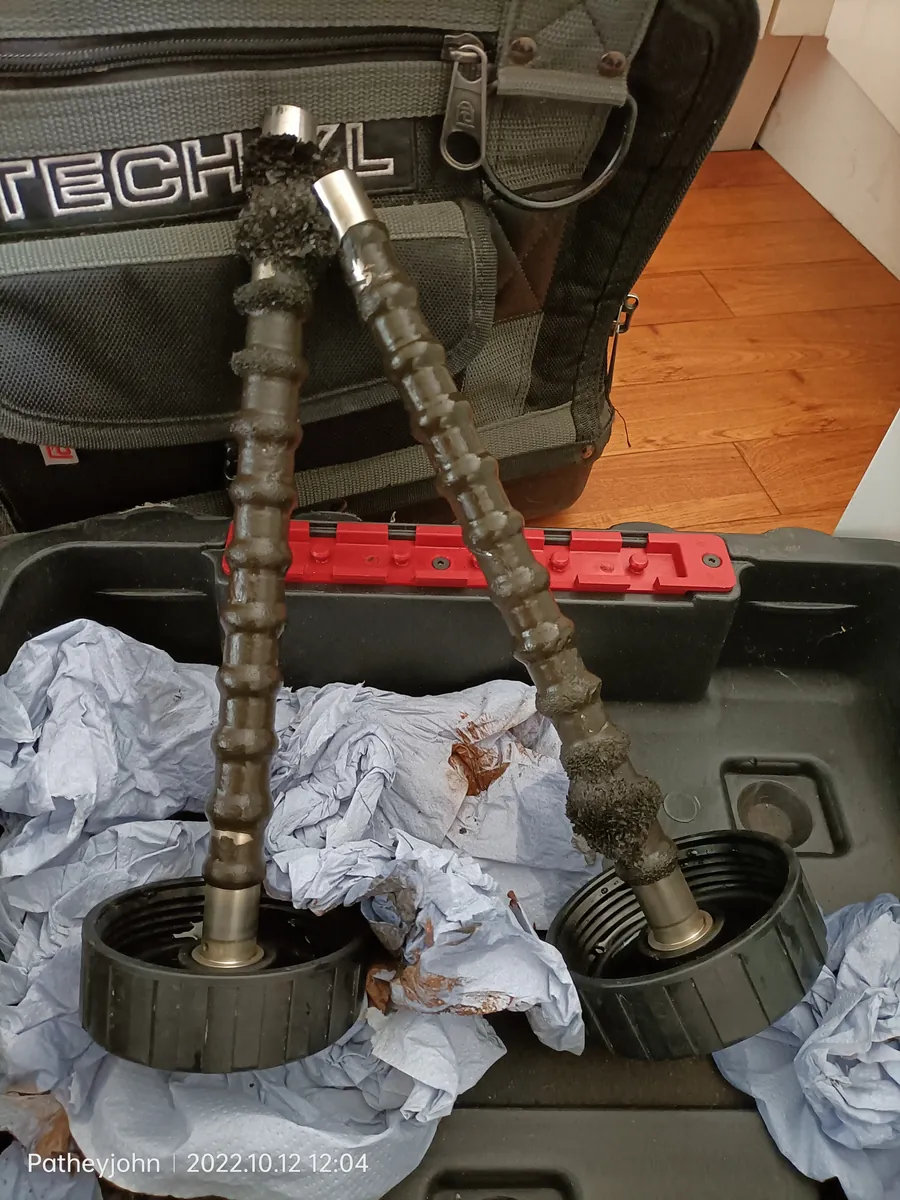
A central heating power flush is a deep clean of your heating system, and if your radiators are running cold at the bottom or your boiler has started making odd noises, it may be exactly what you need. Over the years, rust, sludge and a black iron-oxide deposit called magnetite build up inside your radiators and pipework. This debris settles where water moves slowly, blocks circulation and forces your boiler to work harder than it should. A power flush uses a pump and cleaning chemicals to blast that build-up out of the system, restoring proper flow and heat.
At Absolute Plumbing & Heating we have looked after central heating across Exeter and Devon since 2010. Our gas work is carried out with P Harman, Gas Safe registered, and we are City & Guilds qualified, and below we explain the tell-tale signs that your system is clogged, what a power flush actually involves, and how to stop the problem coming back.
Signs You Need a Power Flush
Most sludge problems come on gradually, so the warning signs are easy to miss until the system is struggling. If you recognise several of the symptoms below, it is worth booking a heating engineer to inspect the system.
- Cold spots at the bottom of radiators. If a radiator is warm at the top but cold across the bottom, sludge has settled in the base and is blocking the flow. This is the classic sign of magnetite build-up.
- Radiators cold upstairs or downstairs. When some radiators never get properly hot while others do, circulation is being restricted by debris in the pipework.
- Dirty black water when you bleed a radiator. Clear water is normal; thick, black or rusty water tells you there is a lot of magnetite and corrosion inside the system.
- Boiler noises or kettling. Banging, gurgling or a kettle-like rumble usually means sludge has built up on the boiler's heat exchanger, causing water to overheat and boil.
- System slow to warm up. If the house takes far longer to reach temperature than it used to, restricted flow is making the boiler work harder for less heat.
- Frequent bleeding needed. Repeated air and cold patches at the top of radiators can point to gases produced by internal corrosion.
- Boiler cutting out. A boiler that keeps stopping and needs resetting is often protecting itself because poor circulation is causing it to overheat.
One or two of these on their own may have another cause, such as a balancing issue or a faulty pump. Several together, especially cold radiator bottoms and dirty bleed water, strongly suggest the system needs flushing.
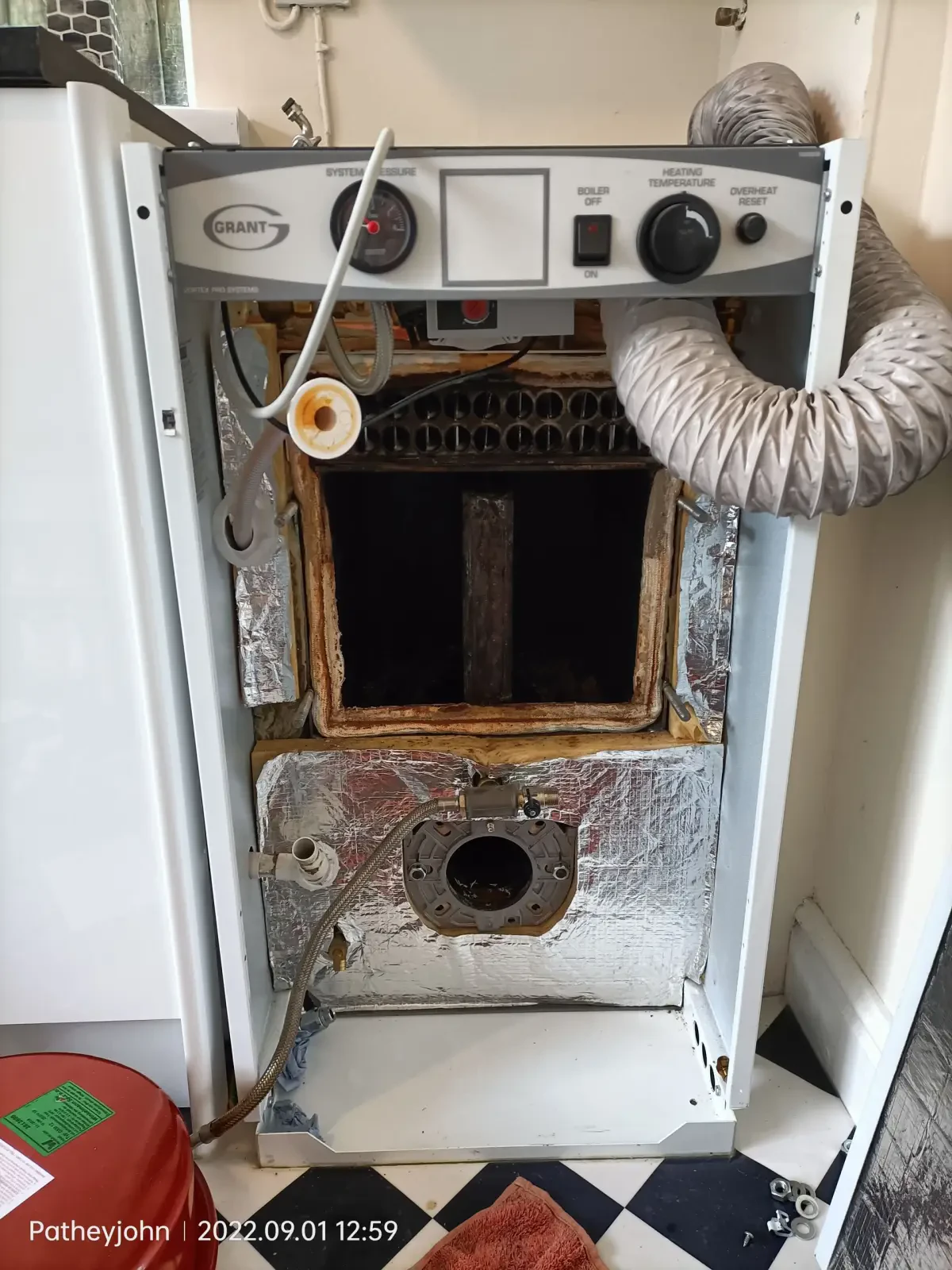
From my own jobs
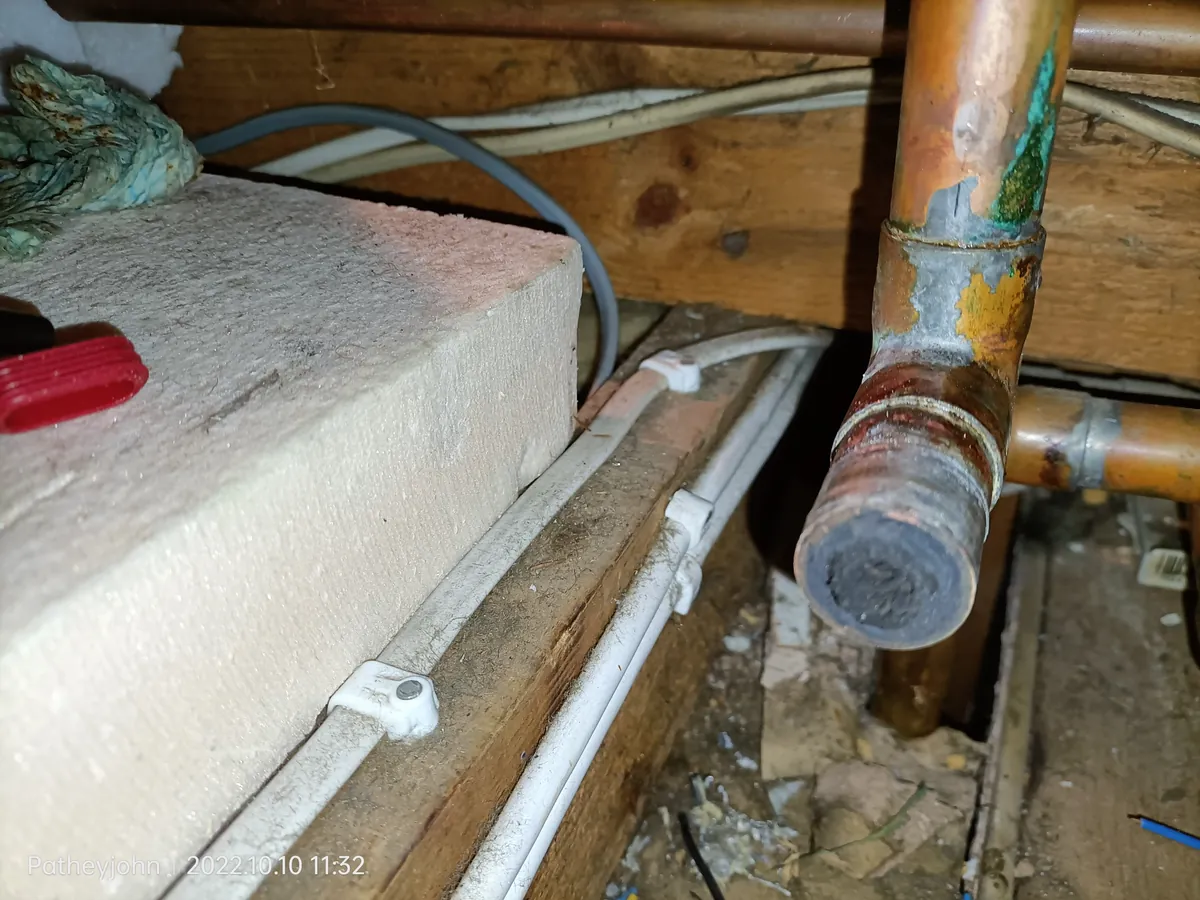
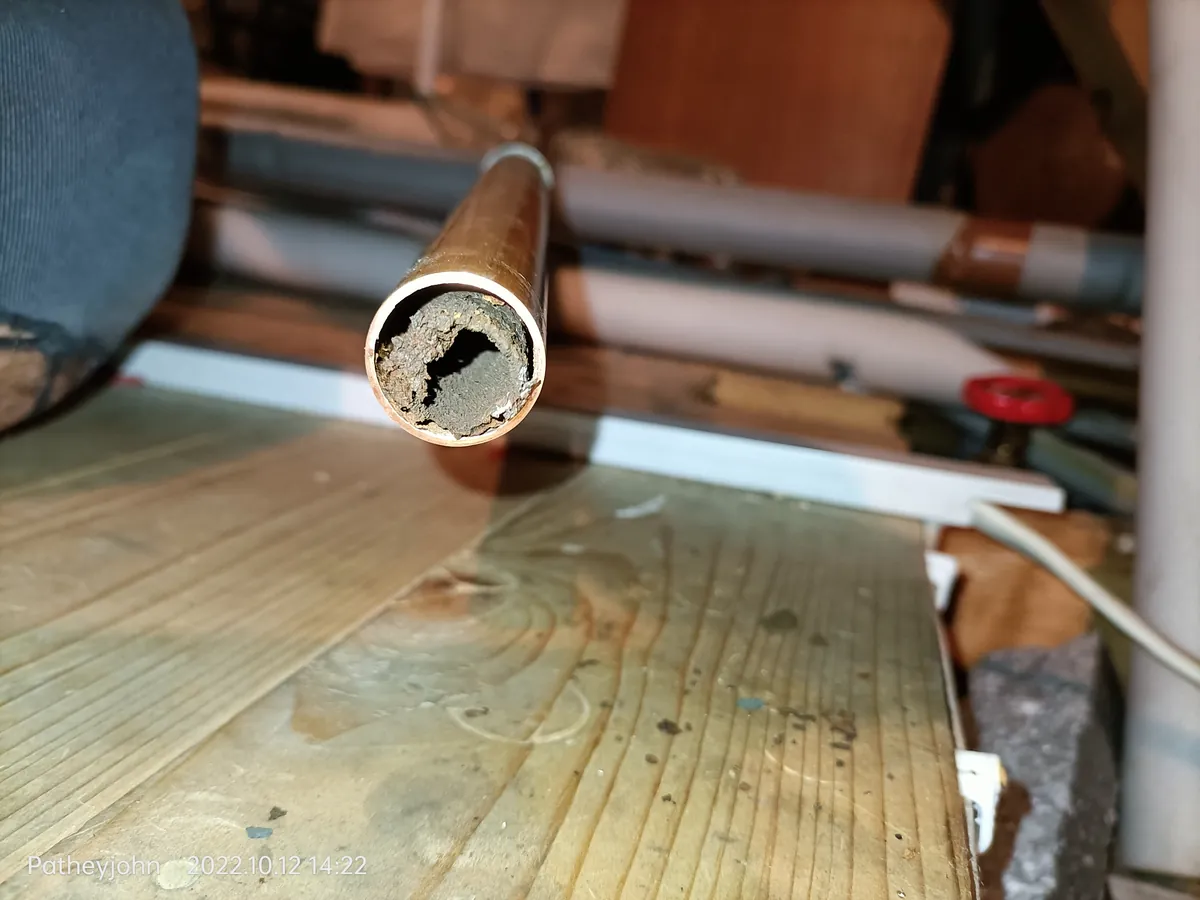
What a Power Flush Involves
A power flush connects a specialist pumping machine to your heating system and pushes cleaning fluid through the radiators and pipework at high volume but low pressure, so it clears debris without straining the system. The process usually runs as follows:
- We connect the flushing machine to the system and add a cleaning chemical and sludge-releasing agent.
- The fluid is circulated through the whole system to loosen rust, sludge and scale.
- Each radiator is worked on in turn, often with gentle agitation, to shift stubborn deposits and clear cold spots.
- The dirty water is flushed out and the system is rinsed until the water runs clean.
- Finally we add a corrosion inhibitor to protect the system going forward.
A typical domestic power flush takes most of a day, though larger systems or heavily sludged ones can take longer. Costs vary with the number of radiators and the condition of the system, so we always give an honest quote after seeing the property rather than a one-size-fits-all price. You can read more on our power flush Exeter page.
Benefits & How to Prevent It Coming Back
Once the sludge is gone, most homeowners notice their radiators heating evenly and quickly, a quieter boiler, and a home that warms up faster. Because the boiler is no longer fighting against blocked pipework, it tends to run more efficiently, which can help with running costs, and clearing the debris reduces wear on the pump and boiler components.
To stop the problem returning, we recommend two things. First, a magnetic filter fitted on the return pipe catches magnetite before it can settle in the system; it simply needs emptying at each annual service. Second, a corrosion inhibitor should be topped up and checked regularly to keep the system water protected. Together these are the most effective way to protect a freshly flushed system.
Having your boiler and heating serviced each year lets an engineer spot the early signs of sludge and check the inhibitor level before problems develop. If you would like a professional to assess your system, our heating engineer in Exeter can advise on the right course of action.
Think your heating needs a power flush?
Absolute Plumbing & Heating carry out gas work with P Harman, Gas Safe registered, and are City & Guilds qualified, serving Exeter and the surrounding Devon area since 2010. Call us for honest advice and a fair quote.